 The much anticipated Masterpiece Theater series The Complete Jane Austen begins tonight on PBS with "Persuasion".
 Sally Hawkins as Anne Elliot in Persuasion
I thought it would be fun to see where Jane herself lived and wrote.
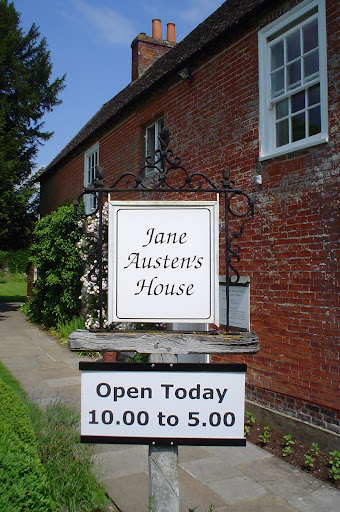
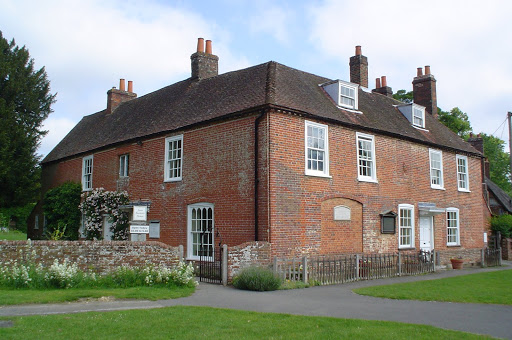
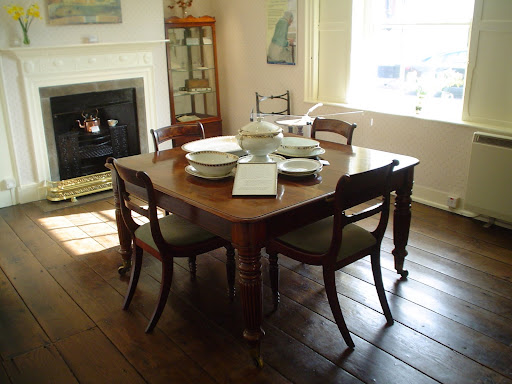
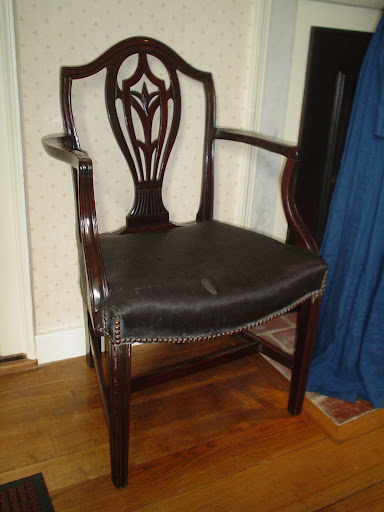 Jane spent the last eight years of her life in this house at Chawton, now the Jane Austen House Museum.
The decorative style - known as Regency in England, Empire in France and Greek Revival in America - included a broad spectrum of high end and every day (for the time) furnishings. Then, as now, you had city and country styles, furniture for formal rooms and private family rooms. One's decorative style - simple or oppulent - helped define your place in society.
I thought it would be fun to take a look over the next several weeks at the Regency style, in honor of Jane, and how it fits in today - in the form of "traditional formal decor" and the Hollywood Regency style.
A tiny bit of history:
The Regency Period derives its name from the period between 1811-1820 when George III of England was deemed unfit to rule and was repaced by his son, the Prince Regent. The French Empire period was roughly between 1804-1814 when Napoleon was in power and the French Empire dominated much of continental Europe. The Greek Revival period in America was introduced as early as 1803 and was the most popular style of architecture between the 1820-1850. It started as the new America began to build on its' sense of itself as the "new Athens" - a powerful and democratic society.
In all three major movements - one can see the influence of the Greeks. From columns and imposing edifices:
 The Parthenon
 photo by Jackie Craven, c. 2005, Saratoga NY home built in the Greek Revival style
 "Victory of Samothrace" 190BC, Greek; aka "The Winged Victory", courtesy of the Louvre, Paris.
 Ladies dresses - with the "empire waist" were often made of sheer fabrics that showcased the woman's body underneath.
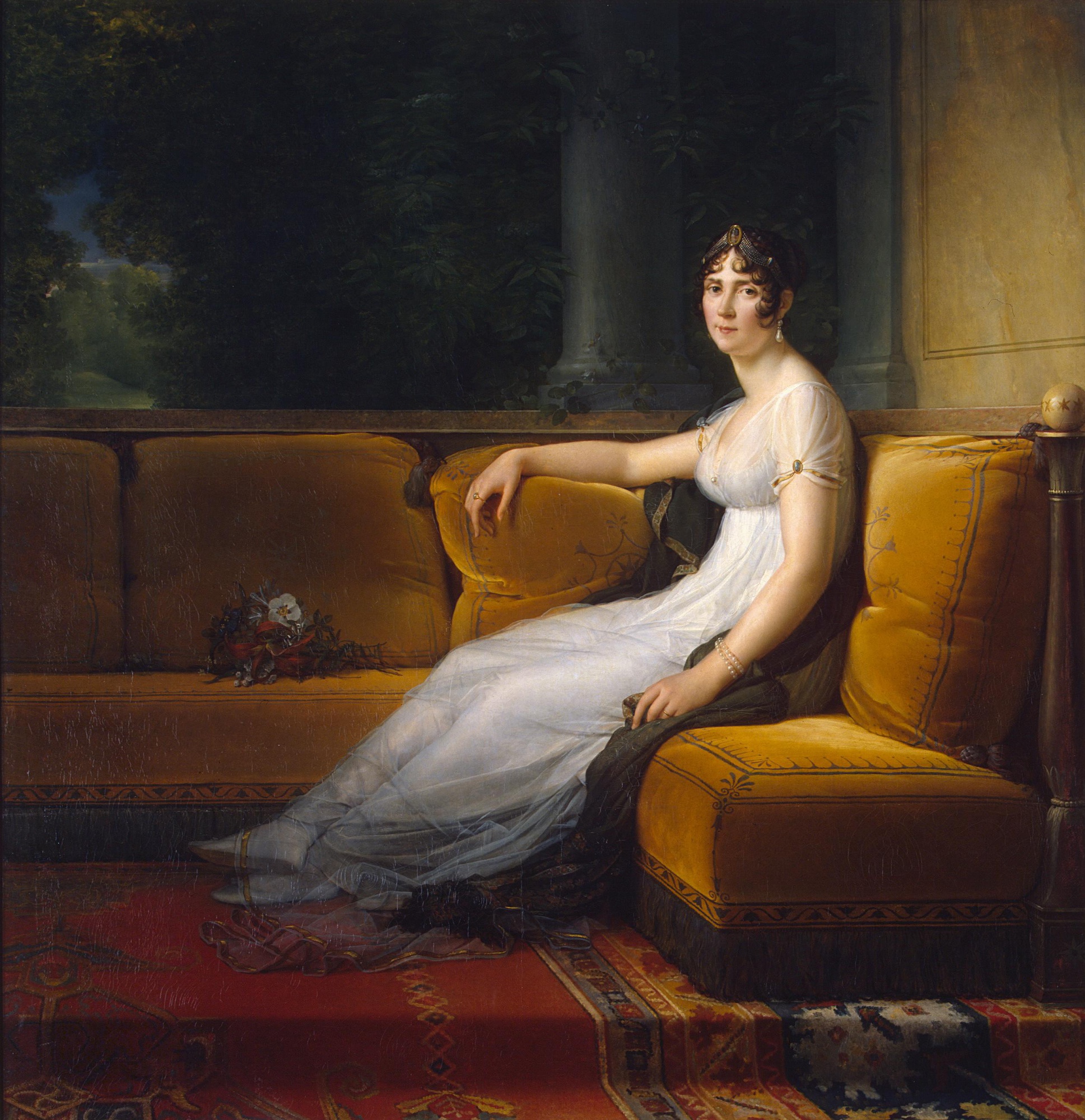 Portrait of the Empress Josephine, by Francois Girard.
 The Klismos chair of Greek design, 5th C BC. Image courtesy of richeast.org.
 Greek sculpture: The Stele of Hegeso. Image courtesy of bfn.org.
 Klismos style chair of the Greek Revival Period, 1815-20, Baltimore. Courtesy of Metropolitan Museum of Art, New York.
I thought it would be fun to take a look over the next several weeks at the Regency style, in honor of Jane, and how it fits in today - in the form of "traditional formal decor" and the Hollywood Regency style.
A tiny bit of history:
The Regency Period derives its name from the period between 1811-1820 when George III of England was deemed unfit to rule and was repaced by his son, the Prince Regent. The French Empire period was roughly between 1804-1814 when Napoleon was in power and the French Empire dominated much of continental Europe. The Greek Revival period in America was introduced as early as 1803 and was the most popular style of architecture between the 1820-1850. It started as the new America began to build on its' sense of itself as the "new Athens" - a powerful and democratic society.
In all three major movements - one can see the influence of the Greeks. From columns and imposing edifices:
The Parthenonphoto by Jackie Craven, c. 2005, Saratoga NY home built in the Greek Revival style"Victory of Samothrace" 190BC, Greek; aka "The Winged Victory", courtesy of the Louvre, Paris.Ladies dresses - with the "empire waist" were often made of sheer fabrics that showcased the woman's body underneath.Portrait of the Empress Josephine, by Francois Girard.The Klismos chair of Greek design, 5th C BC. Image courtesy of richeast.org.Greek sculpture: The Stele of Hegeso. Image courtesy of bfn.org.Klismos style chair of the Greek Revival Period, 1815-20, Baltimore. Courtesy of Metropolitan Museum of Art, New York.For more information on The Complete Jane Austen, visit PBS.org.
Also, check out my blogging buddy Ms. Place's websites Jane Austen Today and Jane Austen's World for all things Jane, from a true expert. Plus, she has links to her blog posts at PBS!
Stay tuned!
Also, check out my blogging buddy Ms. Place's websites Jane Austen Today and Jane Austen's World for all things Jane, from a true expert. Plus, she has links to her blog posts at PBS!
Stay tuned!


0 comments:
Post a Comment